Topics
Insights from Government
Federal
-
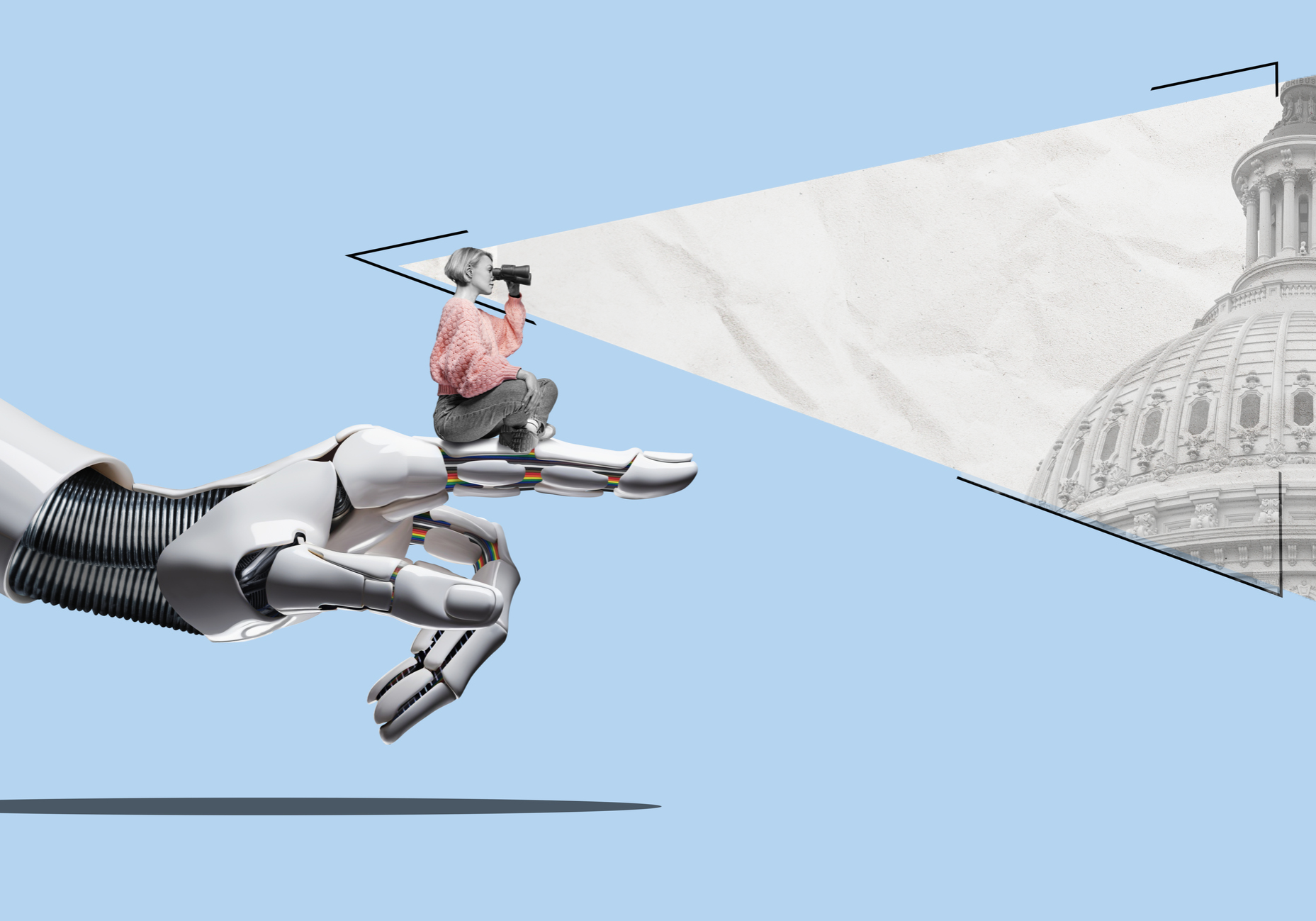
The Labor Department is considering using AI to triage a backlog of reasonable-accommodation requests from federal employees with disabilities, raising important governance questions about balancing administrative efficiency with privacy, fairness, and human oversight.
-
The federal contracting marketplace underwent an unprecedented “recalibration” in 2025, learn more about what’s changed and what it means for contractors in 2026.
-
2026 is the year AI goes from bet to baseline in federal government. Explore 8 key AI trends, from institutionalization and operational reality to cybersecurity risks and DoD’s focus on reliable defense applications.


Defense
-
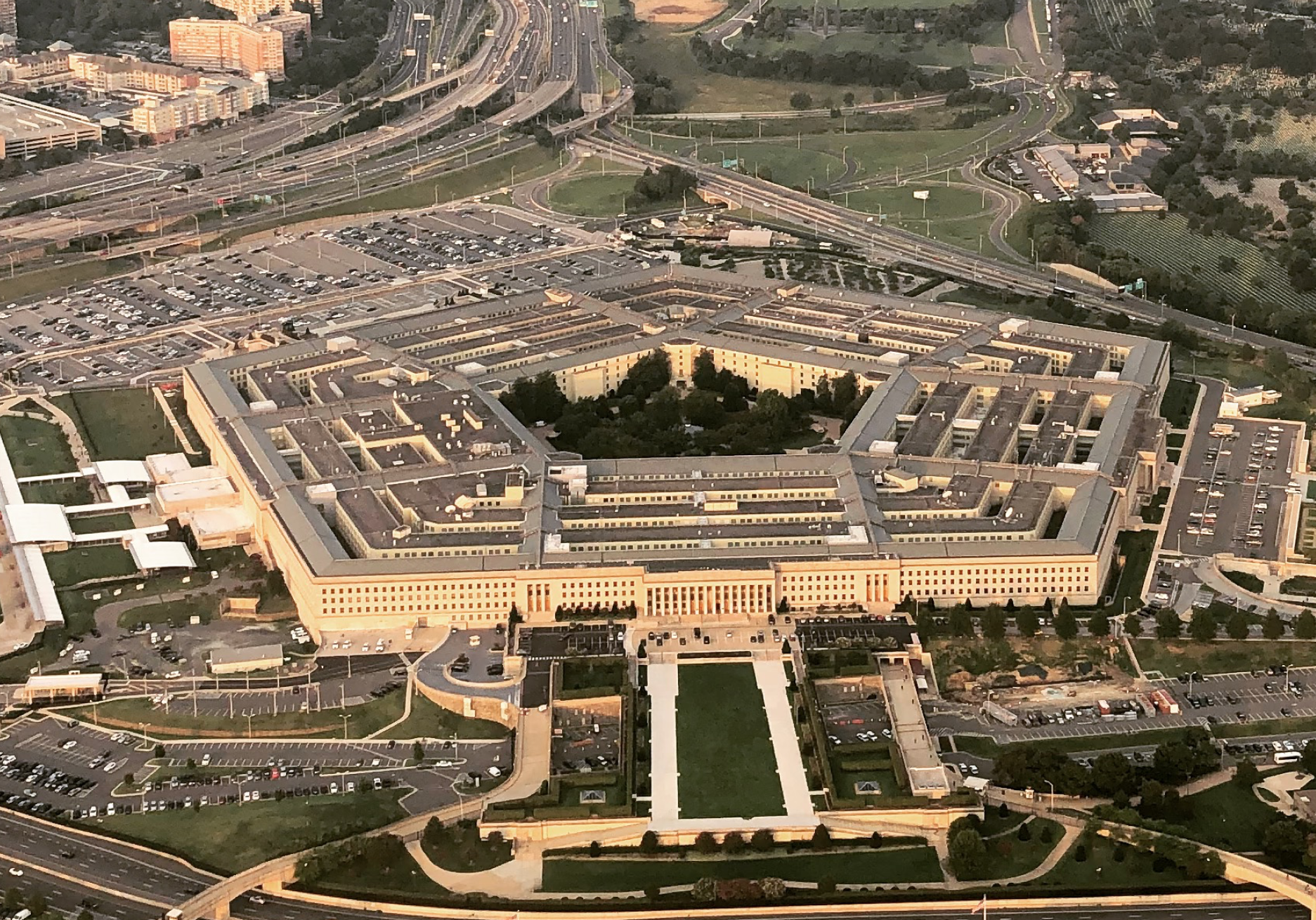
The Pentagon and NSA are expanding their access to commercial AI models for defense and intelligence operations, while emerging research highlights the new cyber threats posed by autonomous AI agents.
-
Overview of the Department of Defense’s FY 2026 budget: $961.6 billion total, with heavy investment in AI, unmanned aerial, ground, maritime, and undersea systems — spotlighting a modernization push across all domains.
-
As AI hype increases across the public and private sectors, organizations are weighing the possibilities (and risks) the tech creates.



State & Local
-
State and local governments are increasingly implementing data center moratoriums while adopting targeted AI solutions, such as Prince William County’s data-protection platform and a $100 million OpenAI Foundation initiative for public-health research.
-
The GAO’s report on the federal government’s adoption of AI is as comprehensive as it can be – but do we like what we see?
-
AI development requires massive investment, but prioritizing data quality, enterprise integration, location intelligence, and enrichment is essential to prevent systemic bias and ensure accurate decision-making in future AI technologies.